A Wantanee Retrospective, 2007
Developed in 2007, during a period of intensified media influence on art valuation, this early project reflects Wantanee’s critical response to visibility, self-promotion, and institutional recognition within the contemporary art world.
At the time, artistic value was increasingly shaped by media presence, catalogues, websites, interviews, and professional positioning, rather than by sustained artistic inquiry. The work emerged from an observation that visibility and reputation often overshadow artistic substance.
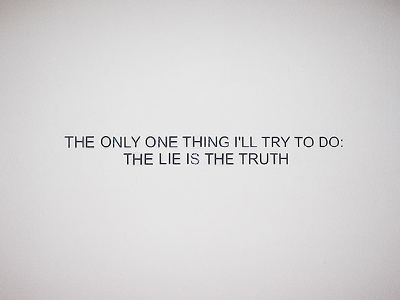
Through irony, fabrication, and self-reflection, A Wantanee Retrospective questioned the mechanisms through which artists construct public identities and navigate cultural legitimacy.
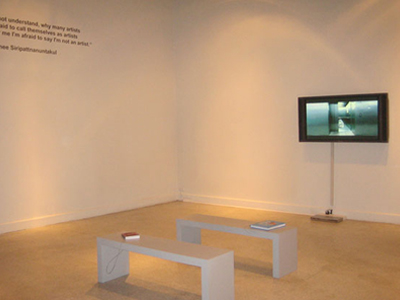
The exhibition consisted of multiple interrelated components, including the fabrication of exhibition histories, publications, and critical reception. These materials were modelled on references drawn from internationally recognised “A-list” artists and major institutions. Existing catalogues, magazines, and archival formats were carefully reproduced, altered, and reinserted into circulation to simulate institutional endorsement.
In one work, John Lennon’s song God was digitally re-edited so that the lyrics appeared to affirm belief in Wantanee, exposing how cultural authority can be manipulated through media technologies.
In other video works, documentary footage was strategically re-edited to fabricate narratives in which influential figures, major galleries, audiences, and even the original filmmaker appeared to endorse and speak about Wantanee’s work. These pieces reveal how credibility, reputation, and recognition can be manufactured through selective framing, montage, and circulation.
By producing convincing simulations of institutional validation, the project exposed the fragile foundations upon which artistic legitimacy is constructed, demonstrating how authority is generated through repetition, formatting, and symbolic alignment.
Looking back, the project marks an early attempt to examine the structures surrounding artistic production, authorship, and value—laying the groundwork for Wantanee’s later shift toward more relational, experiential, and non-anthropocentric forms of inquiry.